
It's not just pipes
How bariatric surgery helped identify hunger hormones long before GLP-1

This post accompanies the Progress in Medicine summer curriculum, a history of medicine and career exploration program for high schoolers. You can find out more about the program here.
“Corpulence is not only a disease itself, but the harbinger of others.”
- Attributed to Hippocrates, 400 BCE
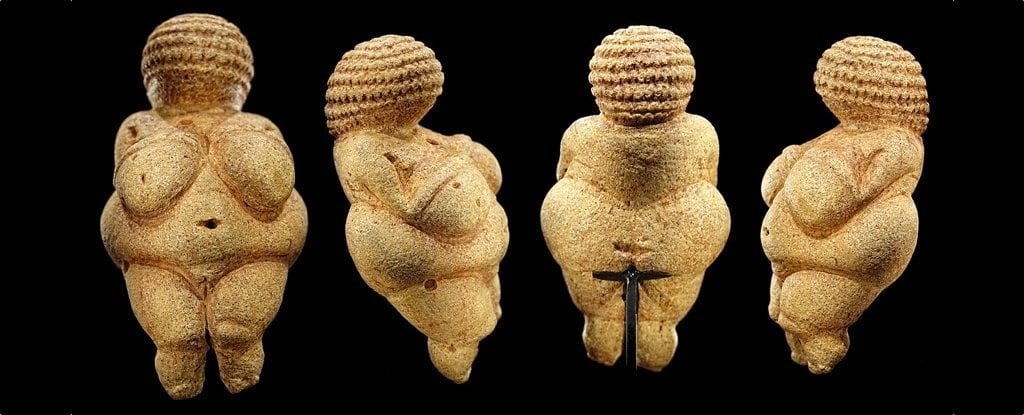
There have always been people who are, statistically speaking, larger than average. The “Venus” figurines of prehistoric cultures imply a reverence for this body type, and the closer a tribe was to the glacial fronts the more they depicted abundant adipose in their art. But abundance in a world of scarcity sends a different signal than in a world of plenty, and obesity today is both more common and more complex than it was for our Paleolithic ancestors. Is obesity a purely physical description, whose social consequences depend on cultural conditioning? Or is it, as Hippocrates argued, a disease in itself? Or a risk factor for disease, as the statistics surely support—everything from heart disease and stroke to diabetes, sleep apnea, and cancer?
While the Paleolithic Venus may have implied a survival advantage, other historical examples argue the opposite. Sancho the Fat, King of Leon in the 10th century, earned his sobriquet by taking seven meals a day and weighing more than 500 lbs. His nobles argued that his weight prevented two essential roles of kingship: first, that the consummation of his marriage could not be observed by onlookers, and second, that he was too heavy to ride a horse. They revolted and drove Sancho out of Leon in 958.
Sancho’s grandmother, Queen Toda, was determined to regain the throne and took her grandson to the renowned physician Hasdai ibn Shaprut who locked the once-and-future monarch in a small room, sewed his lips shut, and fed him on a liquid diet of herbs, salt, and opium. Sancho lost half his body weight—and at a slim and trim 250 lbs, he was able to mount his horse and ride back into Leon to recover his throne.
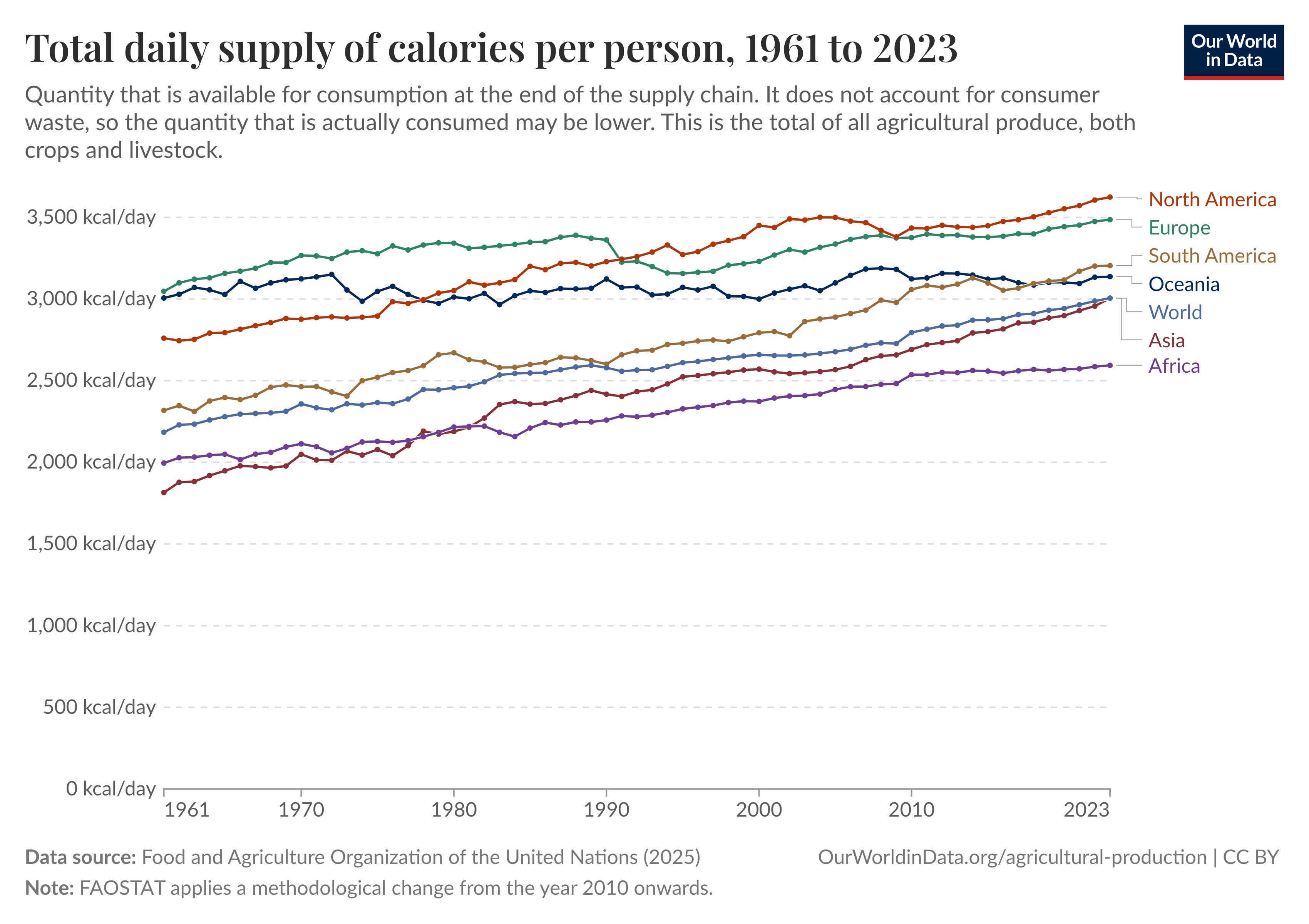
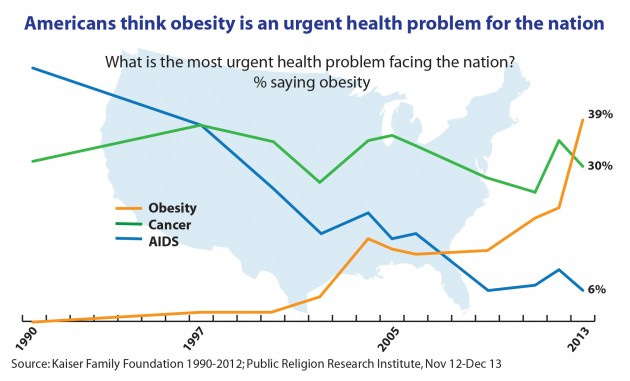
In Sancho’s day, extreme obesity was a rare and unusual problem. Today, we have never been farther away from famine. Food insecurity still exists, but it exists in fewer places and at lower levels than ever before. The average calories per day per person have been steadily increasing, the cost of food (as measured by the number of hours the average person needs to work in order to get those calories) has never been lower. And in consequence, average weight, waist circumference, and body mass index have all been increasing for fifty years. And so have rates of heart disease, diabetes, arthritis, sleep apnea, and infertility. Obesity is no longer the problem of individual outliers, but an acknowledged public health crisis. And not surprisingly given the complexity of the problem, the search for a solution has been meandering.
The Puppy Surgeries
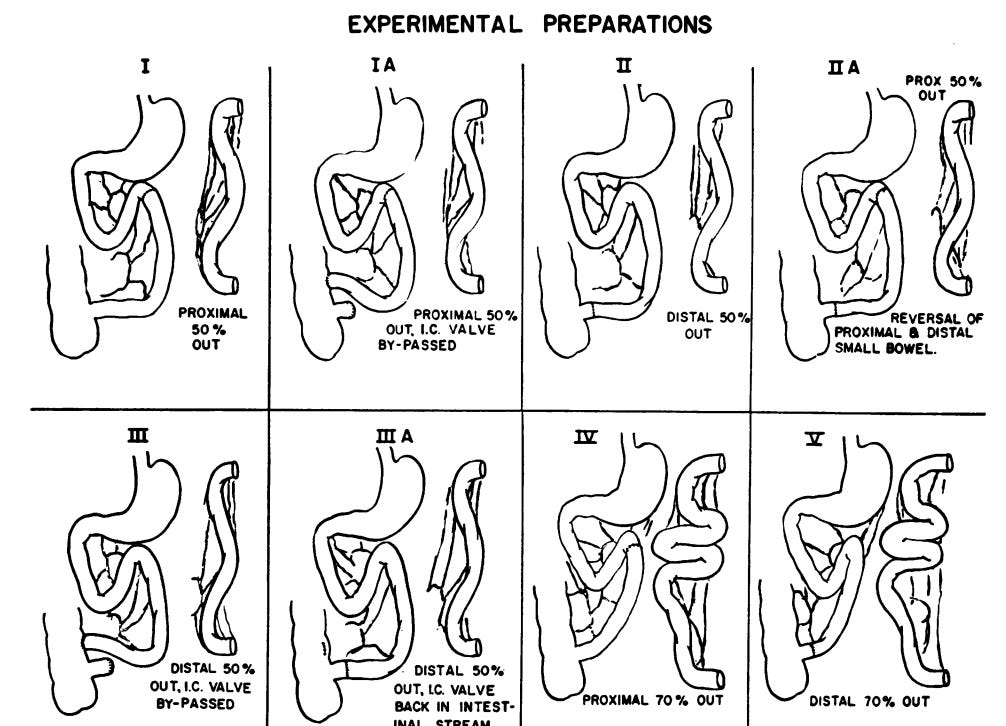
If we discount Sancho’s sewn lips, the first true bariatric surgery came to us from puppies. In 1954, Owen Wangensteen was running the surgical department at the University of Minnesota. And he noticed something: many of his patients who had a portion of small intestine removed for cancer or trauma struggled with malnutrition. That makes sense, since nutrition is controlled by the digestive tract. The interesting part was: some patients didn’t struggle. What made the difference? He assigned the question to Arnold Kremen, a young staff surgeon, who decided to approach the mystery by removing different segments of small intestine from a group of beagle puppies and recording the outcomes. He also gave the world of medical literature one of its great opening lines:
“Accumulated clinical evidence has long suggested that man not uncommonly survives the sacrifice of long segments of small intestine.”
And it was true, and the puppies could testify to it. We have about 22 feet of small intestine. That’s more than the height of two regulation basketball hoops laid end-to-end, and taller than the average adult giraffe. And that intestine is—as surgeons like to say—not just pipes. Different parts have different functions, and Kremen tested those differences in his puppies. He found that losing even 70% of the intestine had a fairly small impact on weight and nutrition if it was the middle 70%. But removing the very beginning or very end was problematic, and led to severe nutrient deficiencies.
The paper was designed to guide operations for injury, trauma, or tumor. But it concluded with a suggestion that created a whole new field of surgery:
“Another consideration, which to date has not received clinical trial, is the possibility of treating extreme cases of obesity by removing from intestinal continuity sufficient small bowel to produce weight loss without any other serious hazard or impairment.”
The logic: if there were puppies with moderate weight loss but without major side effects, then perhaps the surgery could be performed intentionally for this outcome.
It’s not just pipes
The beagle puppies told us: the different parts of those 22 feet of small intestine do different things. But the nascent field of bariatric surgery still treated obesity as a plumbing problem. Operations were classified into two groups:
Malabsorptive: intestines absorb nutrients. If you take out some of the absorptive surface, you get fewer nutrients from your food and therefore fewer calories. Even today, procedures like the Roux-en-Y gastric bypass are commonly described as “malabsorptive.”
Restrictive: like Sancho the Fat and his physician, the other side of the bariatric equation has sought to restrict the amount of food that can get in. If the lumen of the intestine is physically narrowed, you can’t force in a cheeseburger. These surgeries were incredibly popular in the 1970s and 80s, but fell out of favor as it became clear that—with hunger unaffected and absorption of nutrients maintained—patients almost always regained their weight.
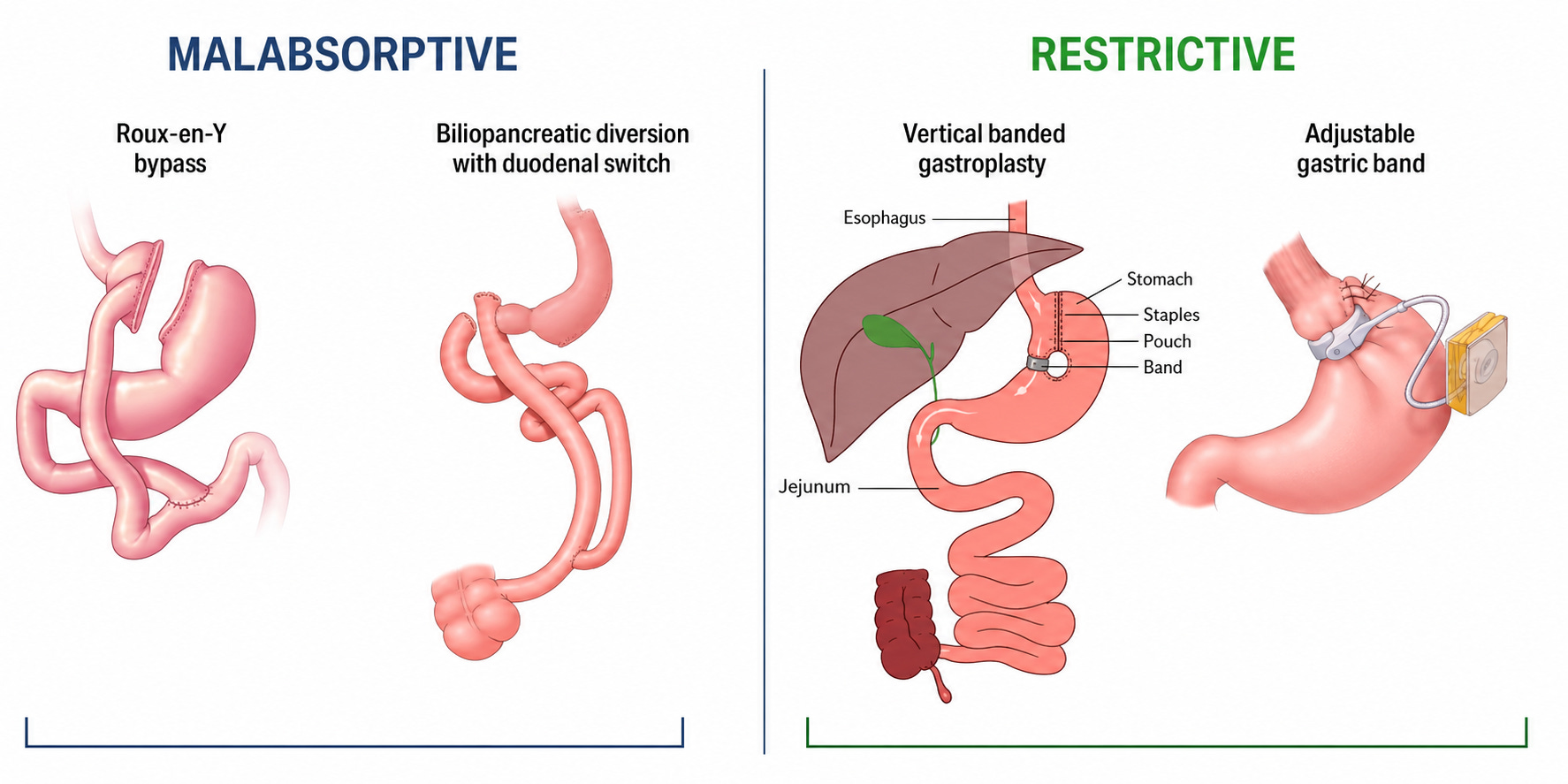
Both of these mechanisms treat the intestines as pipes. Different types of pipes, perhaps, with different abilities to absorb nutrients, but pipes nonetheless. Shrink the lumen, less gets in. Take out a section, less absorption can happen. Simple as plumbing.
Except. Except that some people with type 2 diabetes, a chronic disease where the body either resists the effects of insulin or doesn’t produce enough of it, left the hospital off insulin after a bypass. It’s well known that diabetes is a common consequence of obesity, and weight loss is the most effective cure. But post-operatively, within 24-48 hours of surgery? These patients haven’t lost a pound. If it’s all just plumbing, how on earth do they leave the hospital off insulin and with normal blood sugar?
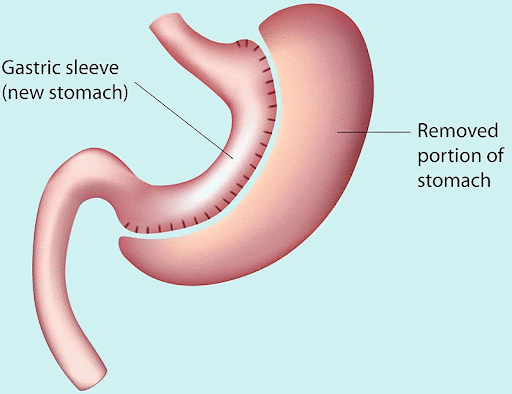
Except. Except that some surgeons started doing a particularly complex bypass in two parts: first, a partial resection of the stomach, and then bringing patients back for the bypass of a long segment of intestine. The stomach resection was supposed to be the restrictive part of the procedure, limiting the amount of food that got in. It wasn’t supposed to be effective long-term. Surgeons split the operation in two because long anesthesia times are dangerous, and bariatric patients are high risk. Except the patients lost weight, and stopped coming back for the second part of the operation. They lost more weight than a restrictive procedure should have caused. Restrictive procedures don’t curtail appetite. Except these patients had a lower food drive. If it’s all just plumbing, how did removal of a portion of the stomach rewire hunger?
The OG Hunger Hormones
Today, one in eight American adults is taking a GLP-1 drug. Hormonal mechanisms for obesity are well accepted, increasingly understood, and even manipulatable with a widening suite of medications. But back in the far-away days of the 1990s, surgeons believed that surgery—a physical solution—was fixing a physical problem.
Of course, the endocrinologists knew that obesity was a bit more complicated than plumbing. At least in mice. Researchers had an animal model of obesity as far back as the 1960s. A mouse with a mutation in the ob gene eats without stopping, and gains weight accordingly. While the mechanism wasn’t fully understood, scientists assumed there was some hormone that signaled satiety. And in 1994, a Nature paper with the unprepossessing title, “Positional cloning of the mouse obese gene and its human homologue,” found the hormone and (briefly) rocked the world. The ob gene, the authors determined, functions as part of a signaling pathway from adipose tissue, from fat. And in both humans and mice, a hormone they christened ‘leptin’ (from the Greek leptos, for ‘thin’) is the product of that gene. That means that our fat functions like an endocrine organ, releasing a hormone to tell the brain to stop eating. The more fat, the lower the appetite, because the body doesn’t need more reserves. Unless, like the ob/ob mice, you have a mutation in the gene that produces leptin, and you never get the signal to stop eating.
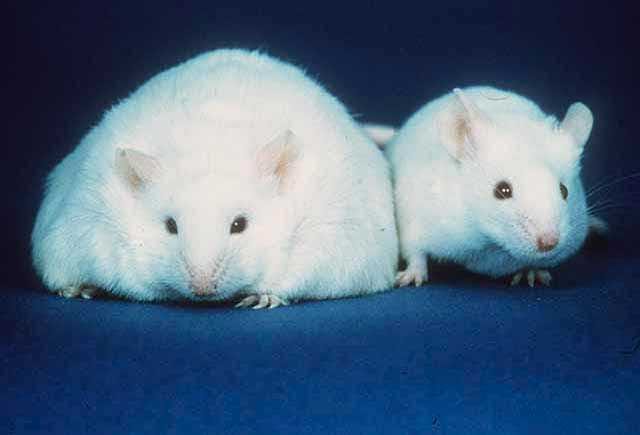
Very few people will choose major abdominal surgery if a pill is possible, and leptin was hailed as a potential miracle. Unfortunately, the promise wasn’t realized. Obese humans generally have very high leptin, not low; their problem, unlike the ob/ob mice, is not a deficiency in leptin secretion but a resistance to its effects. Leptin was a cure for rare congenital deficiencies. It wasn’t an answer to the obesity epidemic.
Leptin wasn’t the answer, and it also couldn’t explain the inexplicable observations after bariatric surgery. But it opened the door to a hormonal explanation for obesity, and a few years later in 1999, another Nature paper changed the game again. The original paper didn’t mention appetite: it identified ghrelin (“ghre” from the Proto-Indo-European for “grow”) as a growth hormone. Two years later, another group found an interesting side effect to ghrelin injections in humans: it made them eat. And in 2002, in the New England Journal of Medicine, a paper was published entitled, “Plasma ghrelin levels after diet-induced weight loss or gastric bypass surgery.”
When you diet and you lose weight, ghrelin increases. You get hungrier. Your body thinks you are in a food-restricted environment and sends out alarm bells. After gastric bypass, the bariatric surgery that supposedly caused weight loss through malabsorption? But which also had that mysterious, inexplicable result of an overnight cure for diabetes? And whose recipients, unlike the purely restrictive surgery patients, sometimes said they weren’t hungry anymore? After gastric bypass, ghrelin levels in the blood drop. The hormone signal for hunger gets turned down.
Today, we know that bariatric surgery’s most significant impact is not restrictive—which doesn’t work in the long term, and which people can eat through. And it’s not malabsorptive, which causes weight loss at the expense of potential malnutrition and other side effects. The most significant and promising mechanism of weight loss after bariatric surgery is hormonal. Ghrelin, it turns out, is produced by cells in the upper part of the stomach—the very portion removed in the sleeve gastrectomy. The operation that worked so much better than a restrictive operation should have worked, because it turns out it wasn’t working primarily by restricting food intake.
It’s not just pipes. The intestines, just like your fat cells, are endocrine organs: they’re releasing hormones to tell your brain what to eat, your pancreas what to secrete, and your tissues what to store. Your body is trying hard not to die of starvation. It’s just not great at adapting to a world of plenty.
Obesity Hormones Today
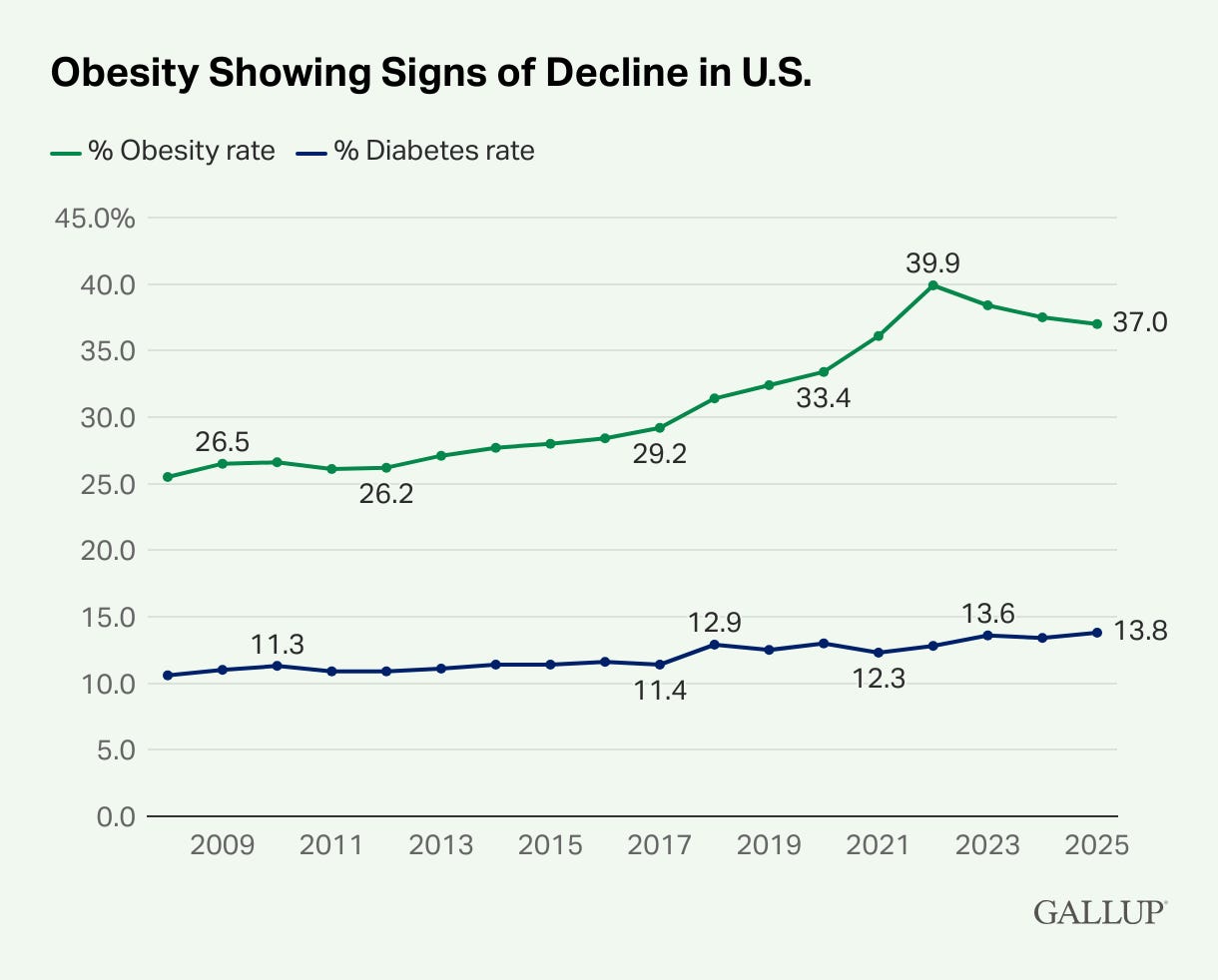
Today, the hormonal milieu that impacts hunger, weight, and growth is increasingly complex. Ghrelin impacts appetite, but so does somatostatin, and Peptide YY, and of course, GLP-1. Today, for the first time in 50 years, obesity rates are dropping in the United States and elsewhere. Rates of bariatric surgery are declining significantly as well, as a problem that is increasingly viewed as hormonal is being treated with hormones. Surgery still has its role: weight loss following bariatric surgery is still greater than medication alone, and surgery remains the most reliable cure for co-morbidities like diabetes.
The story of obesity is an evolution in our understanding. From Sancho’s sewn lips to the puppy operations, surgery originally managed the problem mechanistically. Today, we have a better understanding of the complexity of the body, and the modern solutions reflect that. The rise of GLP-1 drugs and the decline in obesity rates are the beginning of a new chapter whose conclusion is as yet unknown.
Laura, the sleeve worked before anyone understood why, and that's the part that should unsettle us more than it does. It began as the first stage of a two-stage operation, the part that wasn't expected to be the whole answer. Then it started behaving like one. Patients did well enough that some never returned for the second surgery. The operation was right for years while the explanations attached to it, restriction, malabsorption, plumbing, were wrong or at least too small.
Which inverts what we usually mean by understanding a treatment. We tend to treat mechanism as what licenses the intervention. Here the intervention was changing diabetes within days while the explanation on the chart was not the real mechanism. The wrong theory did not blunt the right result.
It makes me wonder how much of current practice is in the same position, working for reasons we're describing incorrectly right now, and will only correct in hindsight. The ghrelin story has a tidy ending because we found the hormone. The unsettling version is the operation that works today whose real reason we haven't stumbled on yet, and won't, until something forces us to look.